Two years ago, a massive flood hit Lower Silesia. Ten people died. Damage was estimated at €5 billion. 5,000 residential buildings, 150 schools, 31 health centres, 100 bridges, 200 km of sewer lines, and 150 km of water mains were destroyed. The waters receded quickly, but residents are still suffering the consequences of the disaster. Caritas Poland is providing assistance.
Caritas Assists in Renovating Damaged Homes
Two years after the flood, damaged homes still stand, or whose owners had to suspend renovations due to lack of funds. Many were unable to pay for the costly drainage of their homes, or even pay their energy and heating bills. Others lack the strength and organizational skills to undertake major renovations. In 2026 alone, Caritas provided financial assistance to 443 households, primarily those belonging to the elderly and the infirm. The costs of renovations and equipment purchases have been covered. Since the flood, Caritas Poland has donated PLN 72 million to aid the affected population. In total, over 11,000 households received support. Caritas Poland also helped equip damaged schools.
Support for Children in Flooded Areas
The effects of the floods also hit the youngest children hard. Parents spent every złoty on saving foundations, drying them out, and combating moisture, which resulted in limited educational opportunities for children. Since January 2026, 423 children have been included in a special scholarship program, and a further 528 have received social scholarships. This school year, another 528 social scholarships, aimed at preventing exclusion, have been awarded. 627 children have benefited from summer camps organized by Caritas Poland. Many children still traumatized by the floods have received psychological support.
Network of Rapid Response Centres
Caritas is implementing a comprehensive model for building local resilience. The dioceses acquired specialized emergency equipment—such as power generators and field kitchens—which was stored at strategic locations to provide a basis for rapid crisis response in the event of another flood. Based on previous experience, the basics of crisis management procedures were reviewed. Caritas employees and volunteers received specialized training in providing aid. This also allowed for the professional preparation of staff and volunteers. A network of diocesan Caritas teams was established, ready for immediate action.
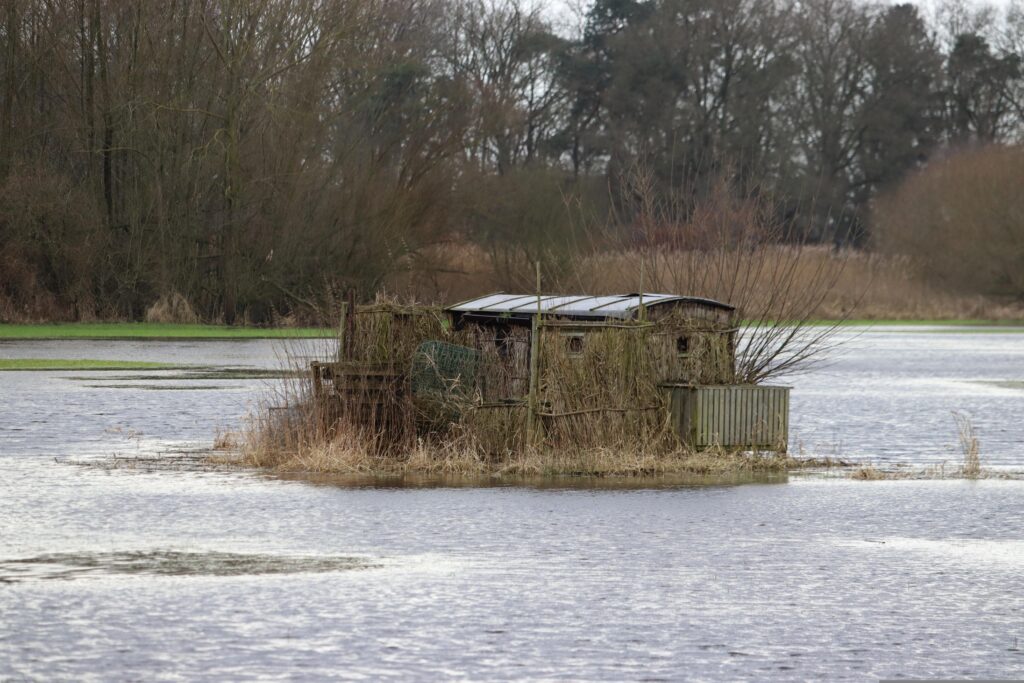
Illustrative photo, photo credit: pixabay.com
Family News Service / Piotr Kowalczuk